
 24 Hour Emergency
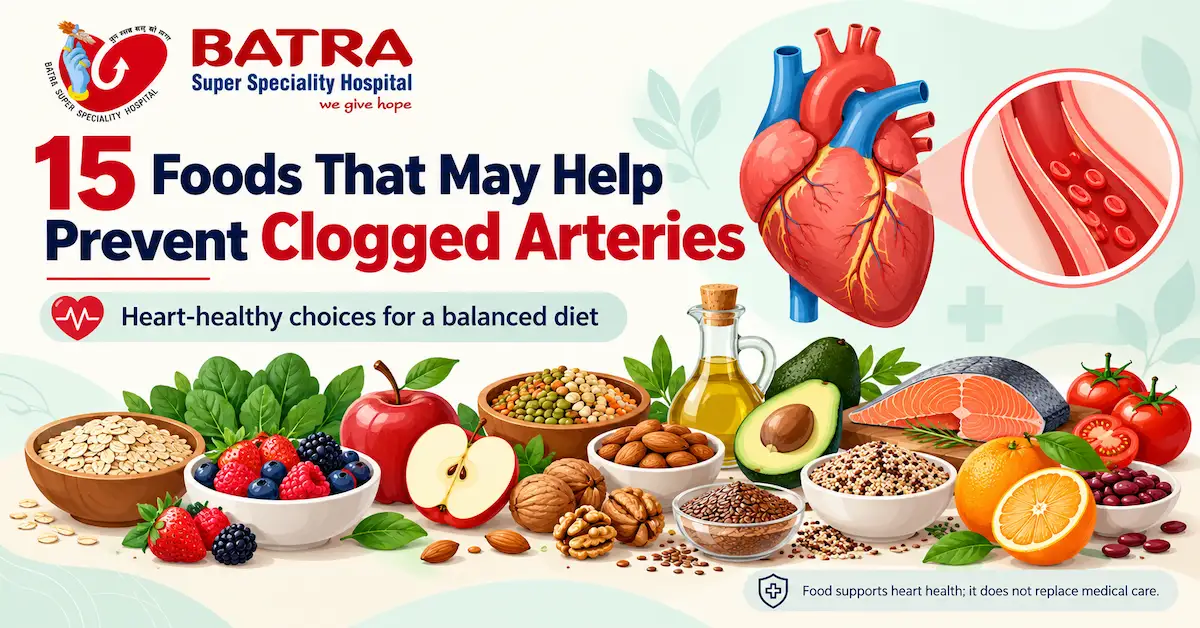
Healthy arteries are important for good blood circulation and overall heart health. Over time, unhealthy cholesterol levels, high blood pressure, smoking, diabetes, excess weight, and an unhealthy diet can increase the risk of plaque buildup inside the arteries.
The good news is that a heart-healthy diet can help manage several of these risk factors.
While no single food can remove an existing artery blockage, choosing nutritious foods regularly may help support healthy cholesterol levels, blood pressure, blood sugar, and body weight.
Here are 15 foods that may help support healthy arteries and reduce the risk of heart disease.
1. Oats
Oats are rich in soluble fibre, particularly beta-glucan. Soluble fibre can help reduce the absorption of cholesterol in the digestive system.
Having oatmeal or other whole-grain oat products as part of a balanced diet can be a heart-friendly choice.
Try: Oatmeal with berries, nuts, or seeds.
2. Fatty Fish
Fish such as salmon, sardines, mackerel, and trout contain omega-3 fatty acids.
Omega-3 fats can support heart health and may help maintain healthy triglyceride levels.
Try: Grilled or baked fish instead of deep-fried fish.
3. Walnuts
Walnuts provide healthy unsaturated fats, fibre, and plant-based omega-3 fatty acids.
A small serving of unsalted nuts can be a nutritious snack and may be better for heart health than snacks high in saturated fat or added salt.
Try: Add a few walnuts to oatmeal, salads, or yogurt.
4. Almonds
Almonds contain unsaturated fats, fibre, vitamin E, magnesium, and other nutrients.
Choosing unsalted almonds in moderate portions can be part of a heart-friendly eating pattern.
Try: Have a small handful as a snack instead of fried or processed snacks.
5. Beans and Lentils
Beans, chickpeas, kidney beans, and lentils are excellent sources of plant protein and fibre.
Replacing some high-saturated-fat foods with beans and lentils may help support healthier cholesterol levels.
Try: Include dal, rajma, chana, or other pulses regularly in your meals.
6. Leafy Green Vegetables
Spinach, fenugreek leaves, mustard greens, lettuce, and other leafy vegetables provide fibre, vitamins, minerals, and plant compounds.
Adding more vegetables to your meals can also help you maintain a healthy body weight.
Try: Add leafy greens to salads, vegetables, soups, or dal.
7. Berries
Strawberries, blueberries, raspberries, and other berries contain fibre and antioxidant compounds.
They can be a nutritious alternative to desserts that contain large amounts of added sugar.
Try: Add fresh berries to oatmeal, curd, or smoothies without adding extra sugar.
8. Apples
Apples provide fibre, including soluble fibre, along with various plant compounds.
Eating whole fruit is generally a better choice than drinking fruit juice because whole fruit provides more fibre.
Try: Eat an apple as a snack instead of packaged sweets or biscuits.
9. Tomatoes
Tomatoes contain lycopene and other nutrients that can be part of a heart-healthy diet.
Fresh tomatoes can easily be included in Indian meals, salads, soups, and sandwiches.
Try: Add fresh tomatoes to salads, vegetable dishes, or homemade soups.
10. Avocado
Avocados provide monounsaturated fats and fibre.
Replacing foods high in saturated fat with foods containing unsaturated fats can be beneficial for heart health.
Try: Add avocado to salads or whole-grain toast in moderate portions.
11. Extra-Virgin Olive Oil
Olive oil is a source of monounsaturated fat and is commonly used in heart-healthy dietary patterns.
Using it instead of butter, ghee, or other sources of saturated fat may help improve the overall fat quality of your diet.
Try: Use a moderate amount for salad dressing or cooking.
12. Whole Grains
Whole grains such as brown rice, whole-wheat atta, oats, barley, and millet contain more fibre than refined grains.
Regularly choosing whole grains can support better overall cardiovascular health.
Try: Replace some refined rice, maida-based foods, or highly processed grains with whole-grain options.
13. Flaxseeds and Chia Seeds
Flaxseeds and chia seeds provide fibre, healthy fats, and plant-based omega-3 fatty acids.
They can be easily added to a balanced diet.
Try: Add ground flaxseed or chia seeds to oatmeal, curd, or smoothies.
14. Garlic
Garlic is widely used in Indian cooking and contains compounds that have been studied for their potential cardiovascular effects.
However, garlic should be considered part of an overall healthy diet rather than a treatment for blocked arteries.
Try: Use fresh garlic in homemade vegetables, soups, dals, and other dishes.
15. Vegetables Rich in Fibre
Beyond leafy greens, vegetables such as broccoli, carrots, cauliflower, beans, peas, and okra can provide fibre and important nutrients.
Eating a variety of vegetables helps create a balanced and nutrient-rich diet.
Try: Aim to include different coloured vegetables throughout the week.
What Causes Arteries to Become Clogged?
“Clogged arteries” commonly refers to the buildup of plaque inside the arteries, a process known as atherosclerosis.
Plaque can contain cholesterol, fatty substances, calcium, and other materials. Over time, plaque buildup can narrow the artery and reduce blood flow.
Several factors can increase the risk, including:
- High LDL cholesterol
- High blood pressure
- Diabetes
- Smoking or tobacco use
- Being overweight or obese
- Physical inactivity
- An unhealthy diet
- Excessive alcohol consumption
- Family history of cardiovascular disease
- Increasing age
Can Food Unclog Blocked Arteries?
This is an important distinction.
Foods cannot be relied upon to physically remove an established artery blockage.
A heart-healthy diet can help manage risk factors such as high cholesterol, high blood pressure, excess weight, and diabetes. Depending on the severity of artery disease, a doctor may also recommend medicines, diagnostic tests, lifestyle changes, or procedures.
If you have symptoms or have already been diagnosed with artery blockage, do not replace prescribed treatment with dietary changes alone.
Foods to Limit for Better Heart Health
Eating more heart-friendly foods is only one part of the picture. It is also important to limit foods that can contribute to an unhealthy dietary pattern.
Try to reduce:
- Deep-fried foods
- Processed meats
- Foods high in saturated fat
- Trans fats
- Excess salt
- Sugary drinks
- Highly processed snacks
- Excess sweets and desserts
- Refined carbohydrates in large amounts
Instead, focus on vegetables, fruits, whole grains, pulses, nuts, seeds, and healthier sources of protein and fats.
Other Ways to Protect Your Arteries
Diet works best when combined with other healthy habits.
Stay Physically Active
Regular physical activity can support heart health, blood pressure, cholesterol levels, and healthy body weight.
Avoid Tobacco
Smoking damages blood vessels and significantly increases cardiovascular risk. Avoiding tobacco is one of the most important steps for protecting your heart and arteries.
Manage Blood Pressure and Cholesterol
Regular health checks can help identify high blood pressure or cholesterol before complications develop.
Control Blood Sugar
People with diabetes or prediabetes should work with their healthcare provider to manage blood glucose levels.
Maintain a Healthy Weight
A balanced diet and regular physical activity can help maintain a healthy body weight and reduce cardiovascular risk.
When Should You See a Heart Specialist?
Dietary changes are useful for prevention, but symptoms of heart disease should never be ignored.
Seek medical evaluation if you experience:
- Chest pain or pressure
- Breathlessness, especially during activity
- Unexplained sweating
- Pain spreading to the arm, shoulder, back, neck, or jaw
- Unusual fatigue
- Dizziness or fainting
- Reduced ability to perform normal physical activities
Sudden or severe chest pain, severe breathlessness, fainting, or other symptoms suggestive of a heart attack require emergency medical attention.
Heart Care at Batra Super Speciality Hospital, Sonipat
Batra Super Speciality Hospital in Sonipat provides cardiac care for patients with a range of heart and cardiovascular conditions.
Cardiac services may include evaluation and management of cardiovascular risk factors, heart checkups, ECG, angiography, angioplasty, pacemaker-related care, and emergency cardiac services.
If you are concerned about cholesterol, chest discomfort, blood pressure, or your risk of heart disease, a qualified cardiologist can assess your symptoms and recommend appropriate tests and treatment.
Frequently Asked Questions
1. What foods are good for preventing clogged arteries?
Foods such as oats, fatty fish, nuts, beans, lentils, vegetables, fruits, whole grains, seeds, and healthy unsaturated fats can form part of a heart-healthy diet.
2. Can food remove plaque from arteries?
Food cannot be relied upon to remove an established artery blockage. A healthy diet can help manage cardiovascular risk factors and support overall heart health.
3. Is oatmeal good for heart health?
Yes. Oats contain soluble fibre, which can help support healthy cholesterol levels when included as part of a balanced diet.
4. Which foods should be avoided for heart health?
Limit foods high in trans fats, excessive saturated fats, added sugars, salt, and highly processed ingredients. Deep-fried foods and processed meats should also be limited.
5. Are nuts good for the heart?
Nuts such as walnuts and almonds contain unsaturated fats, fibre, and other nutrients. Choose unsalted nuts and consume them in moderate portions.
6. Can exercise help prevent clogged arteries?
Regular physical activity can help manage several cardiovascular risk factors, including blood pressure, cholesterol, blood sugar, and body weight.
7. When should I consult a cardiologist?
Consult a cardiologist if you have chest discomfort, breathlessness, abnormal blood pressure or cholesterol, a strong family history of heart disease, or other concerns about your cardiovascular health.
8. What foods may help prevent clogged arteries?
Foods that may support healthy arteries include oats, fatty fish, walnuts, almonds, beans, lentils, leafy green vegetables, berries, apples, tomatoes, avocado, whole grains, flaxseeds, chia seeds, and vegetables rich in fibre. These foods provide fibre, unsaturated fats, omega-3 fatty acids, vitamins, minerals, and other nutrients that can support cardiovascular health. However, no single food can remove an established artery blockage. A heart-healthy diet should be combined with regular physical activity, tobacco avoidance, healthy blood pressure and cholesterol management, and medical care when needed.
Comments are closed