 24 Hour Emergency
Interventional Radiology in Sonipat
The Interventional Radiology Department at Batra Super Speciality Hospital, Sonipat, provides image-guided minimally invasive procedures for diagnosis and treatment of various medical conditions. Interventional radiology uses advanced imaging techniques such as ultrasound, CT scan, and fluoroscopy to guide fine needles, wires, catheters, or other small instruments inside the body with precision.
Unlike traditional open surgery, many interventional radiology procedures are performed through a small puncture or tiny incision. This approach may help reduce pain, lower procedural risk, preserve healthy tissue, shorten hospital stay, and support faster recovery in selected patients.
If you are looking for interventional radiology in Sonipat, image-guided procedures in Sonipat, interventional radiologist in Sonipat, or minimally invasive treatment in Sonipat, Batra Super Speciality Hospital offers patient-focused interventional radiology care with diagnostic support and multi-speciality coordination.
Orthopaedic Surgeon in Sonipat – Expert Care for Bone, Joint & Spine Health
Bone, joint, and spine problems can severely affect mobility and quality of life. When seeking advanced orthopedic treatment, choosing the right specialist is essential for accurate diagnosis and successful recovery. Batra Super Speciality Hospital is home to the Best Orthopaedic Surgeon in Sonipat, providing comprehensive care for fractures, joint disorders, sports injuries, arthritis, spinal problems, and trauma cases.
Our experienced orthopedic team is equipped with advanced technology and surgical expertise to deliver world-class treatment with personalized care.
What Is Interventional Radiology?
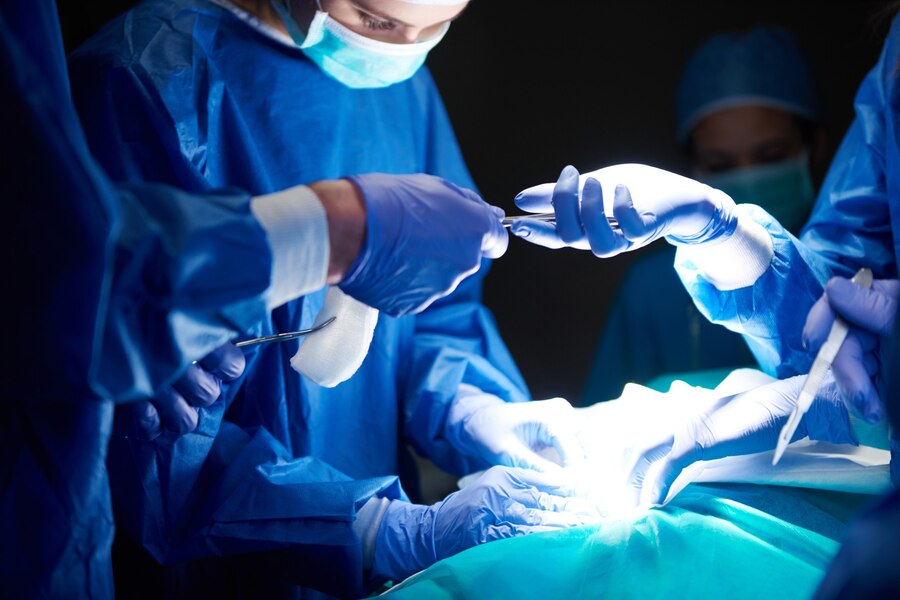
Interventional radiology, also called IR, is a medical specialty that uses imaging guidance to perform minimally invasive diagnostic and therapeutic procedures. These procedures are usually guided by ultrasound, CT scan, fluoroscopy, or X-ray imaging.
An interventional radiologist uses imaging to see the exact location of the affected area and then performs the procedure with small instruments. This allows targeted treatment with minimal damage to surrounding healthy tissues.
Interventional radiology may be used for:
- Image-guided biopsy
- Fluid or abscess drainage
- Vascular procedures
- Angioplasty and stenting support
- Embolisation procedures
- Tumour-related interventions
- Liver lesion ablation in selected cases
- Pain-related image-guided procedures
- Emergency image-guided procedures
- Diagnostic and therapeutic radiology support
The exact procedure depends on the patient’s condition, imaging findings, specialist evaluation, and treatment requirement.
Why Is Interventional Radiology Important?
Interventional radiology has become an important part of modern healthcare because it allows doctors to diagnose and treat many conditions with greater precision and less invasiveness.
Benefits may include :
- Smaller incision or needle puncture
- Less pain compared with major open surgery in selected cases
- Lower risk of complications in suitable patients
- Faster recovery
- Shorter hospital stay
- Targeted treatment
- Preservation of healthy tissue
- Useful for patients who may not be fit for major surgery
- Better coordination with oncology, surgery, gastroenterology, urology, nephrology, vascular care, and emergency medicine
Not every patient is suitable for interventional radiology. The doctor decides after reviewing symptoms, reports, imaging scans, risk factors, and overall health.
When Is Interventional Radiology Needed?
A doctor may recommend an interventional radiology procedure when imaging-guided diagnosis or targeted treatment is required.
Interventional radiology may be advised in cases such as:
- Need for biopsy from a deep or difficult-to-reach area
- Fluid collection in the body
- Abscess requiring drainage
- Blocked blood vessel
- Narrowed artery requiring angioplasty or stenting
- Tumour requiring image-guided treatment
- Bleeding control through embolisation
- Fibroid-related embolisation in selected cases
- Liver lesion treatment in selected cases
- Drainage of infected or abnormal fluid
- Minimally invasive alternative to surgery
- Emergency radiology-guided care
The procedure is planned based on clinical need and imaging results.
Interventional Radiology Services at Batra Super Speciality Hospital, Sonipat
The Interventional Radiology Department at Batra Super Speciality Hospital provides image-guided care for selected diagnostic and treatment needs.
Services may include:
- Interventional radiology consultation
- Image-guided biopsy
- Ultrasound-guided procedures
- CT-guided procedures
- Fluoroscopy-guided procedures
- Fine needle aspiration guidance
- Fluid drainage
- Abscess drainage
- Vascular intervention support
- Angioplasty and vascular stenting support
- Embolisation for selected conditions
- Tumour-related embolisation support
- Fibroid embolisation support in selected cases
- Radiofrequency ablation for selected liver lesions
- Drainage catheter placement
- Multi-speciality procedure planning
- Post-procedure monitoring and follow-up
The availability and suitability of each procedure depends on the patient’s condition and doctor’s assessment.
Image-Guided Biopsy in Sonipat
An image-guided biopsy is a procedure in which a small tissue sample is taken from the body using imaging guidance. It helps doctors diagnose conditions more accurately, especially when the affected area is deep inside the body or difficult to access.
A biopsy may be advised for:
- Suspicious lump or mass
- Liver lesion
- Lung lesion
- Lymph node enlargement
- Abdominal mass
- Soft tissue swelling
- Tumour evaluation
- Infection-related diagnosis
- Unclear imaging findings
Image guidance helps the doctor target the correct area and collect the sample safely.
Fluid and Abscess Drainage
Fluid collections or abscesses may develop due to infection, surgery, inflammation, injury, or other medical conditions. In selected cases, interventional radiology can help drain the collection using a needle or catheter under imaging guidance.
Drainage may be advised for:
- Abscess
- Infected fluid collection
- Abdominal fluid collection
- Chest fluid collection
- Post-surgical collection
- Liver abscess
- Pelvic collection
- Fluid causing pain, fever, or pressure symptoms
Image-guided drainage may help reduce infection, relieve symptoms, and support faster recovery in suitable patients.
Vascular Interventions
Vascular interventions are image-guided procedures used to diagnose or treat blood vessel-related problems. These may include procedures to open blocked or narrowed vessels, improve blood flow, or manage selected vascular conditions.
Vascular intervention may be considered in cases such as:
- Narrowed blood vessels
- Blocked arteries
- Reduced blood flow
- Limb vascular disease
- Vascular access issues
- Selected bleeding conditions
- Angioplasty and stenting requirements
- Catheter-based vascular treatment
The procedure is planned after detailed imaging and specialist evaluation.
Angioplasty and Stenting Support
Angioplasty is a procedure used to open a narrowed or blocked blood vessel. A small balloon may be used to widen the vessel, and a stent may be placed to help keep it open.
In interventional radiology, angioplasty and stenting may be used for selected vascular conditions outside or within specific organ systems, depending on the patient’s disease and imaging findings.
The doctor may recommend angioplasty or stenting based on:
- Symptoms
- Imaging results
- Severity of narrowing or blockage
- Overall health condition
- Risk of complications
- Other available treatment options
Embolisation Procedures
Embolisation is a minimally invasive procedure used to block abnormal or unwanted blood flow to a specific area. It is performed using a catheter guided through blood vessels under imaging.
Embolisation may be used in selected cases such as:
- Tumour-related blood supply reduction
- Fibroid-related treatment
- Control of selected bleeding conditions
- Vascular malformations
- Certain emergency bleeding situations
- Organ-specific treatment planning
The procedure must be carefully planned by specialists after reviewing the condition, imaging, and risks.
Fibroid Embolisation
Uterine fibroid embolisation may be considered in selected women with symptomatic fibroids. It works by reducing the blood supply to fibroids, which may help shrink them and reduce symptoms.
Symptoms of fibroids may include:
- Heavy periods
- Pelvic pain
- Pressure symptoms
- Frequent urination
- Abdominal heaviness
- Menstrual discomfort
Not every fibroid patient is suitable for embolisation. A gynecologist and interventional radiology team may evaluate the best treatment option based on age, symptoms, fertility plans, fibroid size, and overall health.
Tumour-Related Interventional Radiology
Interventional radiology can support cancer care and tumour management in selected cases. Image-guided biopsy can help diagnose a tumour, while selected procedures may help treat or control tumour-related problems.
Tumour-related interventional procedures may include:
- Image-guided biopsy
- Tumour embolisation in selected cases
- Radiofrequency ablation for selected lesions
- Drainage of tumour-related collections
- Supportive procedures for symptom relief
- Coordination with oncology and surgery teams
Treatment decisions are made through specialist evaluation and multi-disciplinary planning.
Radiofrequency Ablation for Selected Liver Lesions
Radiofrequency ablation, also called RFA, is a minimally invasive technique that uses heat energy to treat selected lesions. It may be used in selected liver lesions after careful evaluation.
The doctor may consider RFA depending on:
- Type of lesion
- Size and location
- Number of lesions
- Liver function
- Overall health
- Cancer treatment plan, if applicable
- Imaging findings
RFA is not suitable for every patient. It requires expert assessment and imaging-guided planning.
Interventional Radiology in Emergency Care
Interventional radiology can also support emergency care in selected situations. Some emergency conditions may require quick image-guided procedures to control bleeding, drain infection, relieve obstruction, or support critical care.
Emergency IR support may be useful in selected cases such as:
- Internal bleeding control
- Abscess drainage
- Severe fluid collection
- Vascular blockage
- Trauma-related vascular concerns
- Urgent diagnostic biopsy or drainage
The decision depends on the patient’s emergency condition and specialist availability.
Conditions That May Need Interventional Radiology
Interventional radiology may help in diagnosis or treatment of several conditions, including:
- Liver abscess
- Abdominal abscess
- Fluid collections
- Deep-seated infections
- Suspicious lumps or lesions
- Liver lesions
- Lung lesions
- Tumours
- Uterine fibroids
- Blocked blood vessels
- Narrowed arteries
- Vascular malformations
- Selected bleeding conditions
- Post-surgical collections
- Cancer-related supportive care needs
- Drainage or catheter placement needs
Your doctor will decide whether interventional radiology is appropriate for your condition.
How Interventional Radiology Procedures Are Performed
Most interventional radiology procedures follow a planned process.
The process may include:
- Doctor consultation and clinical evaluation
- Review of blood tests and imaging reports
- Explanation of procedure, benefits, risks, and alternatives
- Consent and preparation
- Imaging-guided needle or catheter placement
- Procedure under ultrasound, CT, fluoroscopy, or X-ray guidance
- Monitoring after the procedure
- Discharge or admission based on condition
- Follow-up and report review
Some procedures are done on a day-care basis, while others may require hospital admission.
Imaging Used in Interventional Radiology
Interventional radiology depends on imaging guidance for accuracy and safety.
Common imaging methods include:
- Ultrasound
- CT scan
- Fluoroscopy
- X-ray imaging
- Doppler imaging
- Contrast-based imaging, if required
The imaging method is chosen based on the procedure, organ involved, visibility of the target area, and patient safety.
Advantages of Image-Guided Minimally Invasive Procedures
Interventional radiology may offer several advantages in suitable patients.
Possible benefits include:
- Targeted treatment
- Smaller puncture site
- Less tissue damage
- Less pain in many cases
- Shorter hospital stay
- Faster return to routine activity
- Reduced need for open surgery in selected cases
- Better access to deep body areas
- Useful for high-risk surgical patients
- Multi-speciality treatment support
The actual benefit depends on the specific procedure and patient condition.
Are Interventional Radiology Procedures Safe?
Interventional radiology procedures are generally planned with patient safety in mind. However, every medical procedure has possible risks. These may include bleeding, infection, pain, allergic reaction, contrast-related issues, injury to nearby structures, or procedure-specific complications.
Before the procedure, the doctor may check:
- Blood reports
- Kidney function
- Blood thinning medicines
- Allergy history
- Diabetes and blood pressure
- Infection status
- Previous surgeries
- Imaging reports
- Pregnancy status, where relevant
Patients should discuss benefits, risks, alternatives, and recovery expectations with the doctor before the procedure.
Who May Not Be Suitable for Interventional Radiology?
Some patients may require special precautions or alternative treatment plans.
Extra care may be needed in patients with:
- Blood clotting problems
- Very low platelet count
- Uncontrolled infection
- Severe kidney disease
- Contrast allergy
- Uncontrolled diabetes or blood pressure
- Pregnancy, depending on procedure
- Severe heart or lung disease
- Unstable emergency condition
- High surgical or anesthesia risk
The doctor will assess whether the procedure is safe and suitable.
How to Prepare for an Interventional Radiology Procedure
Preparation depends on the type of procedure. Your doctor may give specific instructions.
Common preparation may include:
- Carry all previous reports
- Share current medicines
- Inform about blood thinners
- Inform about diabetes medicines
- Share allergy history
- Inform if pregnant or planning pregnancy
- Follow fasting instructions if advised
- Complete required blood tests
- Arrange an attendant if needed
- Follow admission or day-care instructions
- Ask about recovery and follow-up care
Do not stop any medicine without your doctor’s advice.
What to Expect After the Procedure
After an interventional radiology procedure, the patient may be monitored for a few hours or admitted depending on the procedure and health condition.
Post-procedure care may include:
- Monitoring of pulse, blood pressure, and oxygen
- Observation of puncture site
- Pain control
- Antibiotics if advised
- Fluid intake instructions
- Activity restriction for a short time
- Wound care guidance
- Report follow-up
- Specialist consultation
- Warning signs explained to patient and family
Contact the hospital if you experience severe pain, bleeding, fever, swelling, breathing difficulty, dizziness, or worsening symptoms after a procedure.
Interventional Radiology and Multi-Speciality Care
Interventional radiology often works closely with other specialties. This team-based approach helps patients receive complete care.
Departments that may coordinate with interventional radiology include:
- Oncology
- Gastroenterology
- Nephrology
- Urology
- Gynaecology
- General surgery
- Internal medicine
- Vascular care
- Critical care
- Emergency medicine
- Pulmonology
- Orthopaedics
This coordination is especially useful for complex cases, cancer-related care, vascular problems, infections, and emergency conditions.
Why Choose Batra Super Speciality Hospital for Interventional Radiology in Sonipat?
Batra Super Speciality Hospital provides interventional radiology services with image-guided care, diagnostic support, emergency backup, and multi-speciality coordination.
Batra Super Speciality Hospital offers:
- Interventional radiology in Sonipat
- Image-guided biopsy support
- Minimally invasive procedure planning
- Ultrasound-guided and CT-guided procedures
- Fluid and abscess drainage
- Vascular intervention support
- Embolisation procedures in selected cases
- Tumour-related intervention support
- Critical care support
- Multi-speciality hospital care
- Patient-focused treatment planning
The department focuses on precision, safety, reduced invasiveness, and timely care.
When Should You Ask Your Doctor About Interventional Radiology?
You may ask your doctor about interventional radiology if you have been advised surgery, biopsy, drainage, vascular treatment, or tumour-related procedure and want to understand whether a minimally invasive option may be suitable.
Questions to ask your doctor:
- Is an interventional radiology procedure suitable for my condition ?
- What are the benefits and risks ?
- Is it an alternative to surgery ?
- Will I need admission?
- What imaging will be used ?
- Will anesthesia be required ?
- How long is recovery?
- What precautions should I follow ?
- What are the possible complications ?
- When should I follow up ?
Understanding your treatment options helps you make informed decisions.
Book Appointment for Interventional Radiology in Sonipat
If you need image-guided biopsy, abscess drainage, vascular intervention, embolisation, tumour-related procedure planning, or minimally invasive radiology-guided care, consult the Interventional Radiology Department at Batra Super Speciality Hospital, Sonipat.
Batra Super Speciality Hospital
Plot No. 1, Rangoli Green, Sector-16, Sonipat – 131001
Call for Appointment: +91-86056-86056 / +91-86839-30000
Conclusion
Interventional radiology is an advanced medical specialty that uses imaging guidance to perform minimally invasive diagnostic and treatment procedures. It can help in image-guided biopsy, abscess drainage, vascular interventions, embolisation, tumour-related care, selected liver lesion treatment, and other targeted procedures.
If you are looking for interventional radiology in Sonipat, interventional radiologist in Sonipat, image-guided biopsy in Sonipat, minimally invasive treatment in Sonipat, or vascular intervention in Sonipat, Batra Super Speciality Hospital provides image-guided care with multi-speciality support and patient-focused treatment planning.
Book your consultation today with the Interventional Radiology Department at Batra Super Speciality Hospital, Sonipat.
Frequently Asked Questions (FAQs)
Batra Super Speciality Hospital provides interventional radiology services in Sonipat, including image-guided biopsy, drainage procedures, vascular intervention support, embolisation, and minimally invasive radiology-guided procedures.
Interventional radiology is a medical specialty that uses imaging techniques such as ultrasound, CT, fluoroscopy, or X-ray to guide minimally invasive diagnostic and treatment procedures.
Yes. Diagnostic radiology focuses on imaging for diagnosis, while interventional radiology uses imaging guidance to perform procedures for diagnosis or treatment.
Common procedures may include image-guided biopsy, fluid or abscess drainage, angioplasty, vascular stenting, embolisation, radiofrequency ablation in selected cases, and catheter-based treatments.
Image-guided biopsy is a procedure in which a small tissue sample is taken using ultrasound, CT, or other imaging guidance to help diagnose a disease.
Many procedures are done through a small puncture and may involve local anesthesia or sedation. Pain level depends on the procedure and patient condition.
Some procedures may be done on a day-care basis, while others may require hospital admission. The doctor decides based on the procedure and patient’s health.
In selected cases, interventional radiology may involve smaller incisions, less pain, and faster recovery compared with open surgery. However, suitability depends on the patient’s condition.
Carry previous prescriptions, blood tests, imaging reports, ultrasound, CT, MRI, biopsy reports, current medicines, allergy history, and details of symptoms.
You can contact Batra Super Speciality Hospital, Sonipat, to book an appointment with the Interventional Radiology Department.