
 24 Hour Emergency
Best Nephrology Hospital in Sonipat - Batra Super Speciality Hospital
The Nephrology Department at Batra Super Speciality Hospital, Sonipat, provides consultation and care for kidney-related diseases and urinary system concerns. Kidneys play an important role in filtering waste, balancing fluids, controlling blood pressure, maintaining minerals, and supporting overall health.
Kidney problems may develop silently in the early stages. Many people do not notice symptoms until kidney function is affected significantly. This is why timely testing, early diagnosis, and specialist consultation are important, especially for people with diabetes, high blood pressure, heart disease, swelling, abnormal urine reports, or high creatinine levels.
If you are looking for a nephrologist in Sonipat, kidney doctor in Sonipat, kidney hospital in Sonipat, or kidney disease treatment in Sonipat, Batra Super Speciality Hospital offers patient-focused nephrology care with multi-speciality support.

Dr. Vikram Kalra
Nephrology & Kidney Transplant MBBS, MD (Medicine), DM (Nephrology, AIIMS) 25+ Years of Experience Availability: Every 1st and 3rd Saturday
Orthopaedic Surgeon in Sonipat – Expert Care for Bone, Joint & Spine Health
Bone, joint, and spine problems can severely affect mobility and quality of life. When seeking advanced orthopedic treatment, choosing the right specialist is essential for accurate diagnosis and successful recovery. Batra Super Speciality Hospital is home to the Best Orthopaedic Surgeon in Sonipat, providing comprehensive care for fractures, joint disorders, sports injuries, arthritis, spinal problems, and trauma cases.
Our experienced orthopedic team is equipped with advanced technology and surgical expertise to deliver world-class treatment with personalized care.

What Is Nephrology?
Nephrology is the branch of medicine that focuses on the diagnosis and treatment of kidney diseases. A nephrologist is a kidney specialist who manages conditions related to kidney function, kidney failure, chronic kidney disease, high creatinine, protein in urine, kidney infections, electrolyte imbalance, hypertension-related kidney problems, and dialysis care.
A nephrologist also helps patients who have kidney problems due to diabetes, high blood pressure, autoimmune disease, infections, stones, long-term medicine use, or family history of kidney disease.
When Should You Consult a Nephrologist?
You should consult a kidney specialist if you notice symptoms or reports that may indicate kidney-related problems.
Visit a nephrologist if you have:
- High creatinine level
- Low kidney function in reports
- Protein in urine
- Blood in urine
- Foamy urine
- Swelling in feet, ankles, face, or around the eyes
- Reduced urine output
- Frequent urination, especially at night
- Burning urination with fever
- Uncontrolled blood pressure
- Diabetes with abnormal kidney reports
- Repeated urinary tract infections
- Kidney stones with kidney function changes
- Electrolyte imbalance
- Fatigue with abnormal kidney test results
- Nausea, vomiting, or loss of appetite with kidney disease
- Shortness of breath with swelling
- History of kidney disease in the family
Early consultation can help prevent complications and slow the progression of kidney disease.
Kidney Conditions Treated at Batra Super Speciality Hospital
The Nephrology Department at Batra Super Speciality Hospital provides evaluation and care for a wide range of kidney-related conditions.
1. Chronic Kidney Disease
Chronic Kidney Disease, also called CKD, is a long-term condition in which the kidneys gradually lose their ability to filter waste and extra fluid from the body.
CKD may occur due to:
- Diabetes
- High blood pressure
- Heart disease
- Kidney infections
- Long-term kidney inflammation
- Family history of kidney disease
- Obesity
- Repeated kidney injury
- Certain long-term medicines
- Autoimmune disorders
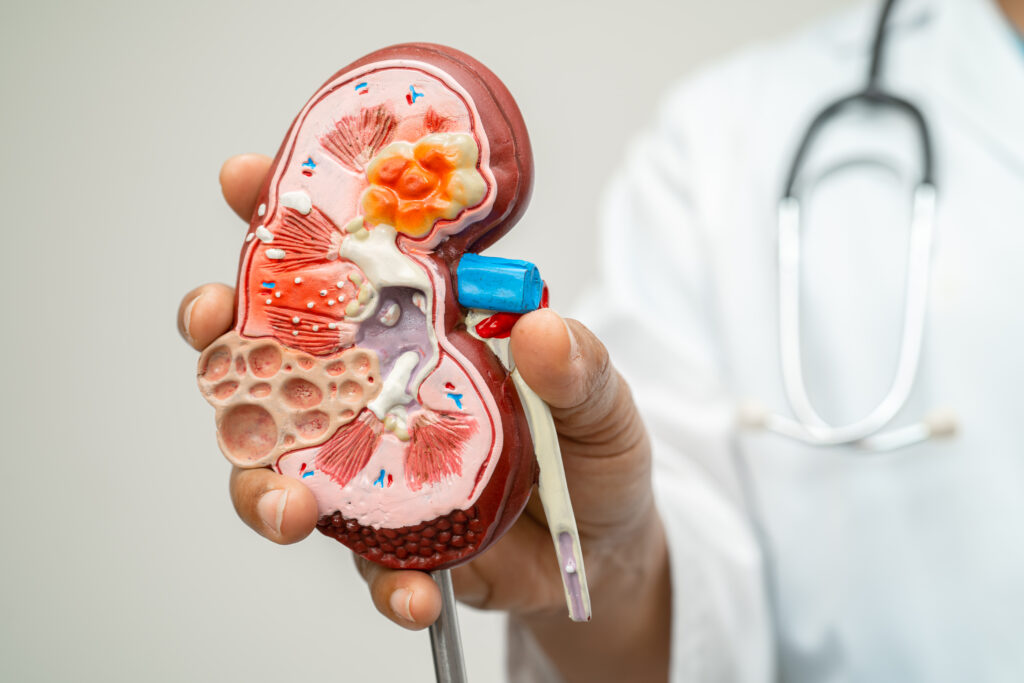
CKD often develops slowly and may not cause clear symptoms in the early stages. Regular kidney function tests are important for people at risk.
2. High Creatinine Level
Creatinine is a waste product that is removed from the body by the kidneys. A high creatinine level may indicate reduced kidney function or stress on the kidneys.
High creatinine may be caused by:
- Chronic kidney disease
- Dehydration
- Kidney infection
- Uncontrolled diabetes
- High blood pressure
- Certain medicines
- Urinary blockage
- Severe infection
- Acute kidney injury
If your creatinine is high, do not ignore it. A nephrologist can evaluate the cause and suggest the right treatment plan.
3. Diabetic Kidney Disease
Diabetes is one of the most common causes of kidney disease. High blood sugar over time can damage the tiny blood vessels in the kidneys and reduce kidney function.
People with diabetes should get regular kidney checkups, especially if they have:
- Long-standing diabetes
- High blood pressure
- Protein in urine
- Swelling in feet
Early detection can help protect kidney function and reduce future complications.
- High creatinine
- Uncontrolled blood sugar
- Family history of kidney disease
4. High Blood Pressure and Kidney Disease
High blood pressure and kidney disease are closely connected. High blood pressure can damage kidney blood vessels, and kidney disease can further increase blood pressure.
You should consult a nephrologist if you have:
- Uncontrolled blood pressure
- Blood pressure requiring multiple medicines
- High blood pressure with swelling
- High blood pressure with abnormal kidney reports
Proper blood pressure control is important for protecting kidney health.
- High blood pressure with abnormal kidney reports
- Kidney disease with hypertension
- Young age hypertension
- Sudden worsening of blood pressure
5. Acute Kidney Injury
Acute Kidney Injury, also called AKI, is a sudden decrease in kidney function. It may happen due to dehydration, severe infection, low blood pressure, kidney blockage, certain medicines, or serious illness.
Symptoms may include:
- Reduced urine output
- Swelling
- Weakness
- Confusion
- Breathlessness
- Nausea
- Abnormal kidney reports
- Sudden rise in creatinine
- Reduced urine output
- Swelling
- Weakness
- Confusion
- Breathlessness
- Nausea
- Abnormal kidney reports
- Sudden rise in creatinine
6. Kidney Infection and Urinary Tract Infection
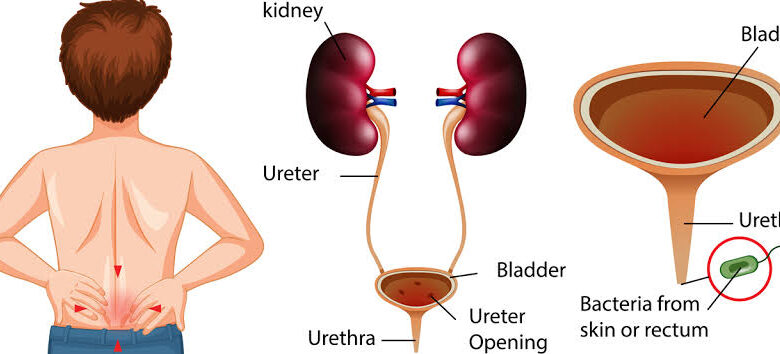
Kidney infections and repeated urinary infections should not be ignored. Infection can sometimes travel from the urinary bladder to the kidneys and cause fever, pain, and kidney-related complications.
Symptoms may include:
- Burning urination
- Fever with chills
- Lower back pain
- Frequent urination
- Pain during urination
- Blood in urine
- Cloudy or foul-smelling urine
- Weakness
- Nausea or vomiting
A doctor may advise urine tests, blood tests, ultrasound, or further evaluation depending on symptoms.
7. Protein in Urine
Protein in urine may be an early sign of kidney damage. It is often detected during urine testing. In some cases, patients may notice foamy urine.
Protein in urine can occur due to:
- Diabetes
- High blood pressure
- Kidney inflammation
- Nephrotic syndrome
If protein is found in urine repeatedly, nephrology consultation is recommended.
- Infections
- Autoimmune conditions
- Long-term kidney disease
8. Swelling Due to Kidney Problems
Swelling in the feet, ankles, face, or around the eyes may be linked with kidney disease, heart disease, liver disease, thyroid problems, or other causes. Kidney-related swelling happens when the body retains extra fluid or loses protein in urine.
Consult a doctor if swelling is associated with:
- High blood pressure
- Reduced urine output
- Foamy urine
- Breathlessness
The exact cause should be evaluated medically.
- High creatinine
- Diabetes
- Fatigue
- Sudden weight gain
9. Electrolyte Imbalance
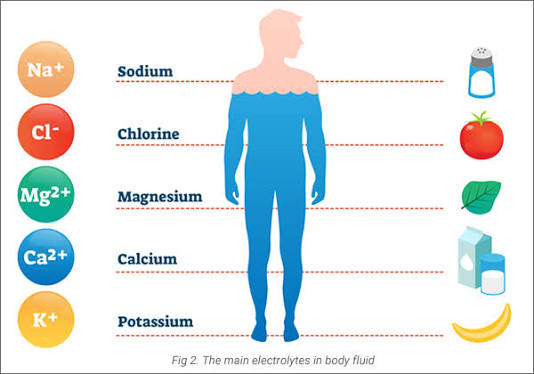
The kidneys help maintain the balance of minerals such as sodium, potassium, calcium, and phosphate. Kidney disease can disturb these levels and cause health problems.
Electrolyte imbalance may cause:
- Weakness
- Muscle cramps
- Irregular heartbeat
- Confusion
- Nausea
- Tingling
- Fatigue
- Severe illness in advanced cases
Electrolyte imbalance needs timely medical evaluation and treatment.
10. Dialysis Support
Dialysis may be required when kidneys are unable to remove waste and extra fluid from the body adequately. Not every kidney patient needs dialysis. The decision depends on kidney function, symptoms, blood reports, fluid overload, potassium levels, and overall health condition.
A nephrologist helps decide:
- Whether dialysis is needed
- When dialysis should be started
- Which dialysis option is suitable
Patients already on dialysis also need regular monitoring and follow-up care.
- How often dialysis is required
- How to manage diet and fluid intake
- How to monitor blood reports
- How to reduce complications
Nephrology Services at Batra Super Speciality Hospital, Sonipat
The Nephrology Department at Batra Super Speciality Hospital provides care for kidney-related diseases with a patient-centered approach.
Our nephrology services include:
- Kidney specialist consultation
- Chronic kidney disease care
- High creatinine evaluation
- Diabetic kidney disease care
- Hypertension-related kidney care
- Kidney infection treatment guidance
- Protein in urine evaluation
- Blood in urine evaluation
- Swelling and fluid retention evaluation
- Electrolyte imbalance management
- Acute kidney injury care
- Dialysis guidance and support
- Kidney health checkups
- Follow-up care for long-term kidney patients
- Multi-speciality coordination when required
Diagnostic Support for Kidney Diseases
Kidney disease diagnosis usually requires clinical examination and tests. Depending on the patient’s symptoms, the doctor may advise:
- Kidney function test
- Serum creatinine
- Blood urea
- eGFR
- Urine routine examination
- Urine protein test
- Urine culture
- Electrolyte test
- Blood sugar test
- HbA1c
- Blood pressure monitoring
- Ultrasound abdomen or KUB
- Complete blood count
Regular testing is especially important for patients with diabetes, high blood pressure, heart disease, or family history of kidney disease.
Warning Signs of Kidney Disease
- Swelling in feet, ankles, face, or eyes
- Foamy urine
- Blood in urine
- Reduced urine output
- Frequent urination at night
- High blood pressure
- Tiredness or weakness
- Loss of appetite
- Nausea or vomiting
- Muscle cramps
- Itching
- Muscle cramps
- Shortness of breath
- Unexplained weight changes
- Abnormal kidney test reports
These symptoms do not always mean kidney disease, but they need medical evaluation.
Kidney Care for Diabetic Patients
Diabetic patients should be extra careful about kidney health because diabetes can damage kidneys slowly. Many patients may not feel symptoms in the early stages.
Diabetic kidney care may include:
- Regular kidney function testing
- Urine protein testing
- Blood pressure control
- Blood sugar control
- Diet guidance
- Medicine review
- Monitoring creatinine and eGFR
- Lifestyle advice
- Regular follow-up with doctor
Early kidney care in diabetes can help slow disease progression.
Kidney Care for High Blood Pressure Patients
High blood pressure can affect kidney function over time. Patients with hypertension should check kidney function regularly.
Consult a nephrologist if:
- Blood pressure is uncontrolled
- You need multiple BP medicines
- Creatinine is high
- Protein is present in urine
- Swelling is present
- BP suddenly becomes difficult to control
- There is a family history of kidney disease
Controlling blood pressure is one of the most important steps in protecting kidneys.

How to Protect Your Kidneys
Good lifestyle and regular monitoring can support kidney health.
Important kidney care tips include:
- Keep blood pressure under control
- Manage diabetes properly
- Drink water as advised by your doctor
- Avoid unnecessary painkillers
- Avoid self-medication
- Maintain a healthy weight
- Reduce salt intake if advised
- Do regular kidney function tests if at risk
- Treat urinary infections on time
- Do not ignore swelling or urine changes
- Follow doctor’s advice for diet and medicines
- Avoid smoking and tobacco
- Stay physically active as per your health condition
Patients with existing kidney disease should follow a diet plan recommended by their doctor or dietitian.
When Is Kidney Disease an Emergency?
Some kidney-related symptoms need urgent medical attention.
Visit the hospital immediately if you have:
- Very low urine output
- Severe swelling with breathlessness
- Severe weakness with abnormal kidney reports
- High fever with back pain and urinary symptoms
- Blood in urine with pain or fever
- Severe vomiting with dehydration
- Confusion or drowsiness
- Uncontrolled high blood pressure
- Chest pain or breathing difficulty
- Very high creatinine or potassium levels advised by doctor
- Sudden worsening of kidney function
Timely medical care can help prevent serious complications.
Why Choose Batra Super Speciality Hospital for Nephrology Care in Sonipat?
Batra Super Speciality Hospital provides nephrology care with multi-speciality support for patients with kidney problems, diabetes, high blood pressure, heart disease, infection-related kidney issues, and critical illness.
Batra Super Speciality Hospital offers:
- Nephrology consultation in Sonipat
- Kidney disease evaluation
- Multi-speciality hospital support
- Emergency care support
- Critical care support
- Diagnostic support
- Diagnostic support
- Dialysis guidance and care support
- Coordination with cardiology, medicine, urology, critical care, and other departments
- Patient-focused treatment planning
- Convenient location in Sonipat
The multi-speciality approach is helpful because kidney disease is often linked with diabetes, high blood pressure, heart disease, infections, and other medical conditions.
How to Prepare for a Nephrology Appointment
To make your consultation more helpful, carry:
- Previous kidney function test reports
- Serum creatinine reports
- Urine test reports
- Ultrasound reports, if any
- Diabetes records
- Blood pressure records
- Current medicines
- Previous prescriptions
- Dialysis records, if applicable
- Hospital discharge summaries, if any
- Details of swelling, urine changes, or symptoms
- Family history of kidney disease
This helps the doctor understand your kidney health and plan suitable treatment.
Book Appointment with Nephrology Department in Sonipat
If you have high creatinine, kidney disease, swelling, urine problems, diabetes-related kidney concerns, high blood pressure with kidney issues, or need dialysis guidance, consult the Nephrology Department at Batra Super Speciality Hospital, Sonipat.
Batra Super Speciality Hospital
Plot No. 1, Rangoli Green, Sector-16, Sonipat – 131001
Call for Appointment: +91-86056-86056 / +91-86839-30000
Conclusion
Kidney diseases often develop silently and may not show symptoms in the early stages. People with diabetes, high blood pressure, heart disease, family history of kidney disease, swelling, foamy urine, high creatinine, or abnormal urine reports should not delay consultation.
If you are looking for a nephrology department in Sonipat, kidney doctor in Sonipat, nephrologist in Sonipat, kidney hospital in Sonipat, or dialysis support in Sonipat, Batra Super Speciality Hospital provides patient-focused kidney care with diagnostic support, emergency care, and multi-speciality coordination.
Book your consultation today with the Nephrology Department at Batra Super Speciality Hospital, Sonipat.
Frequently Asked Questions (FAQs)
Batra Super Speciality Hospital has a Nephrology Department in Sonipat for kidney disease consultation, high creatinine evaluation, CKD care, diabetic kidney disease, hypertension-related kidney problems, and dialysis support.
You should consult a kidney doctor if you have high creatinine, swelling, foamy urine, blood in urine, reduced urine output, uncontrolled blood pressure, diabetes with abnormal kidney reports, or repeated urinary infections.
Kidney disease may not show symptoms early. Possible warning signs include swelling, foamy urine, frequent urination at night, high blood pressure, tiredness, nausea, itching, muscle cramps, and abnormal kidney test reports.
Yes. Long-standing or uncontrolled diabetes can damage the kidneys over time. Diabetic patients should get regular kidney function and urine protein tests.
Yes. High blood pressure can damage kidney blood vessels and reduce kidney function. Kidney disease can also make blood pressure harder to control.
High creatinine may indicate reduced kidney function or stress on the kidneys. It should be evaluated by a doctor to find the exact cause.
Protein in urine can be an early sign of kidney damage, especially in people with diabetes or high blood pressure. Repeated protein in urine should be evaluated by a nephrologist.
Dialysis may be needed when kidneys cannot remove waste and extra fluid properly. The decision depends on kidney function, symptoms, blood reports, fluid overload, potassium levels, and doctor’s assessment.
Some kidney diseases can be prevented or delayed by controlling diabetes, managing blood pressure, avoiding unnecessary painkillers, treating infections on time, maintaining a healthy lifestyle, and doing regular tests if at risk.
You can contact Batra Super Speciality Hospital, Sonipat, to book an appointment with the Nephrology Department.